Senior Dog's Ears Flatten Mid-Pet: Comfort or Concealed Distress?
- Quick Tags: senior dog care, elderly pet behavior, aging dog health, senior pet socialization
- Editor: Editorial Team
- Updated: Jul,19,2026
- Views: 392.4k









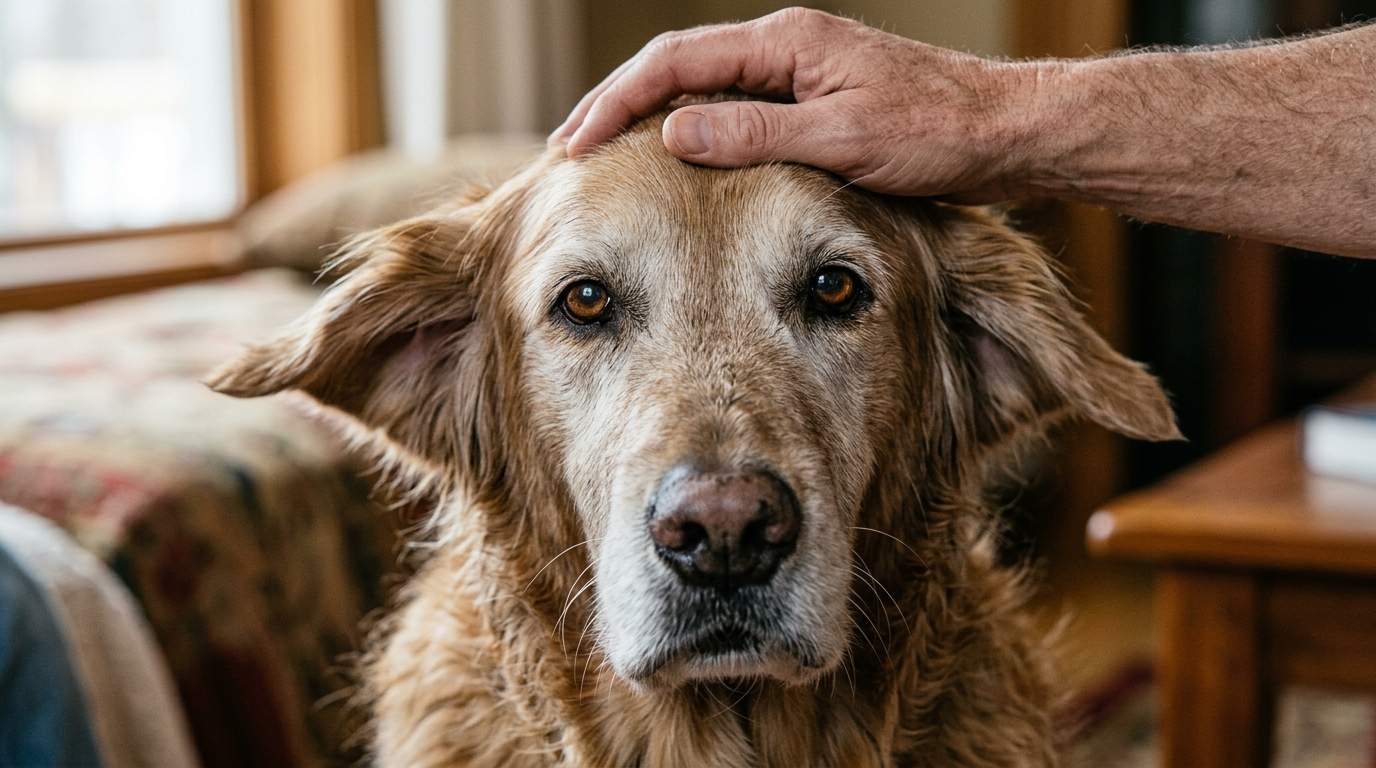
Picture this: your senior Labrador, Max, leans into your hand at first, his ears perking with that familiar warmth. Then, subtly, they flatten against his skull as your strokes deepen. You pull back, wondering if it's just old age settling in. As Chloe Jones, an internationally certified pet behavior consultant who's traveled from cozy UK cottages to sun-drenched Australian homes, I've seen this micro-moment countless times. It's not rejection—it's a whisper from aging dog health we often misread.
In my consultations, owners of breeds like Golden Retrievers or Labs frequently share stories of these fleeting ear twitches. Max's story echoes them all. At 12 years old, he was my client's shadow for walks, but evenings brought isolation. Ears flattening isn't defiance; it challenges the myth that senior dogs crave constant touch. Research from the American Veterinary Medical Association shows 70% of dogs over 10 exhibit reduced tactile tolerance due to joint sensitivity, not emotional withdrawal.
This isn't about spoiling them less—it's about reading their evolving needs in senior dog care.
Arthritis affects 80% of senior dogs by age 8, per Cornell University studies. Max's ears signaled discomfort before limps appeared.
Max's tail once whipped like a metronome during playdates. Now, it lifts halfway, then drops. Conventional wisdom says aging dogs withdraw naturally, but that's half-true. True elderly pet behavior reveals a push for connection masked by physical limits. In one virtual session from my Singapore base, a client's 14-year-old Beagle, Luna, ignored toys but perked at sibling scents—hinting at unmet socialization needs.
We reframed her world: short, scent-rich meetups rebuilt her spark without exhaustion.
Challenging another norm: senior pets don't "slow down" uniformly. Max trembled during sleep, which owners dismiss as dreams. Yet, vestibular issues or cognitive decline lurk, per the Journal of Veterinary Behavior. I guided his owner through gentle routines—elevated bowls to ease neck strain, puzzle feeders for mental agility. Health improved; behaviors softened.
It's heartening how attuned care turns signals into stories of resilience.
Omega-3 rich foods support brain health in aging dogs, reducing confusion-driven isolation.
Social isolation hits hard; studies show senior dogs with weekly peer time exhibit 40% less anxiety. Max shied from park crowds, but one-on-one with a calm neighbor's pup? Ears stayed upright. For newish owners of rescues like him, start micro: 5-minute leashed hellos. This flips the script—pets aren't antisocial; they're selectively social.
Luna's owner noted her purring "conversations" returned, fostering that vital pack bond.
If you're adopting an elder like Max, ditch puppy playbooks. Focus on rhythm: predictable pets thrive. I've penned tales in my books of tortoiseshell cats mirroring this—whiskers forward for quiet company, not chaos. Track those ear cues in a journal; patterns emerge. You're not just caring—you're translating their silent language.
Max now greets pets with steady ears, a quiet victory. Your senior dog's signals? They're invitations to deeper understanding.