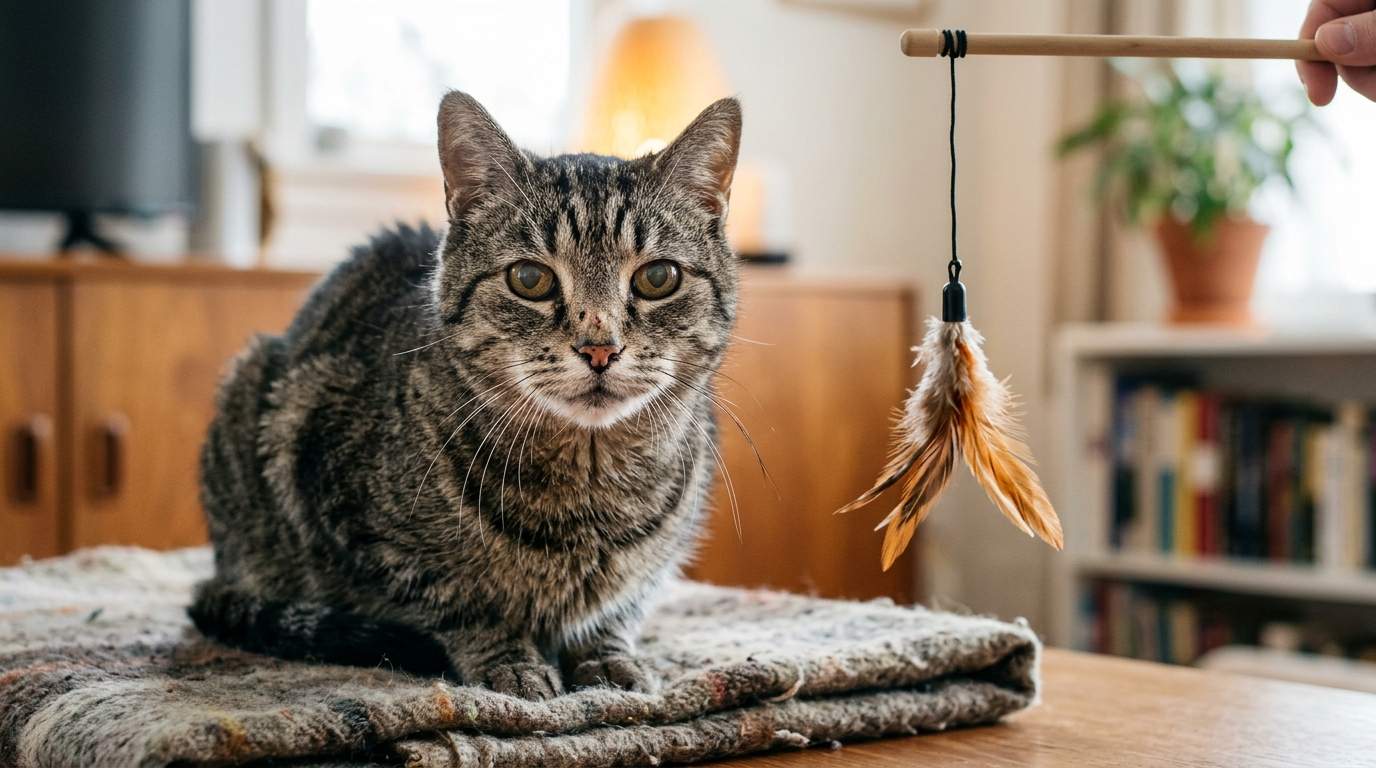
Why Does Your Senior Dog's Ear Twitch Ignore Your Call?
- Quick Tags: senior dog care, elderly dog behavior, aging pet anxiety, senior pet health
- Editor: Editorial Team
- Updated: Jul,18,2026
- Views: 229k









Picture this: your senior dog's ear twitches faintly at the sound of your voice, yet it stays curled in the corner, eyes distant. That subtle flick—dismissed as mere aging—hints at something deeper in elderly dog behavior.
I've seen it time and again in my consultations as Chloe Jones, from bustling clinics in London to quiet homes in Tokyo. Take Max, my client's 12-year-old Labrador. Once bounding for treats, now his ear perks then flattens, ignoring her gentle calls during evening walks. Owners like her worry it's just "old age," but senior dog care reveals these as signals of aging pet anxiety, not inevitable decline.
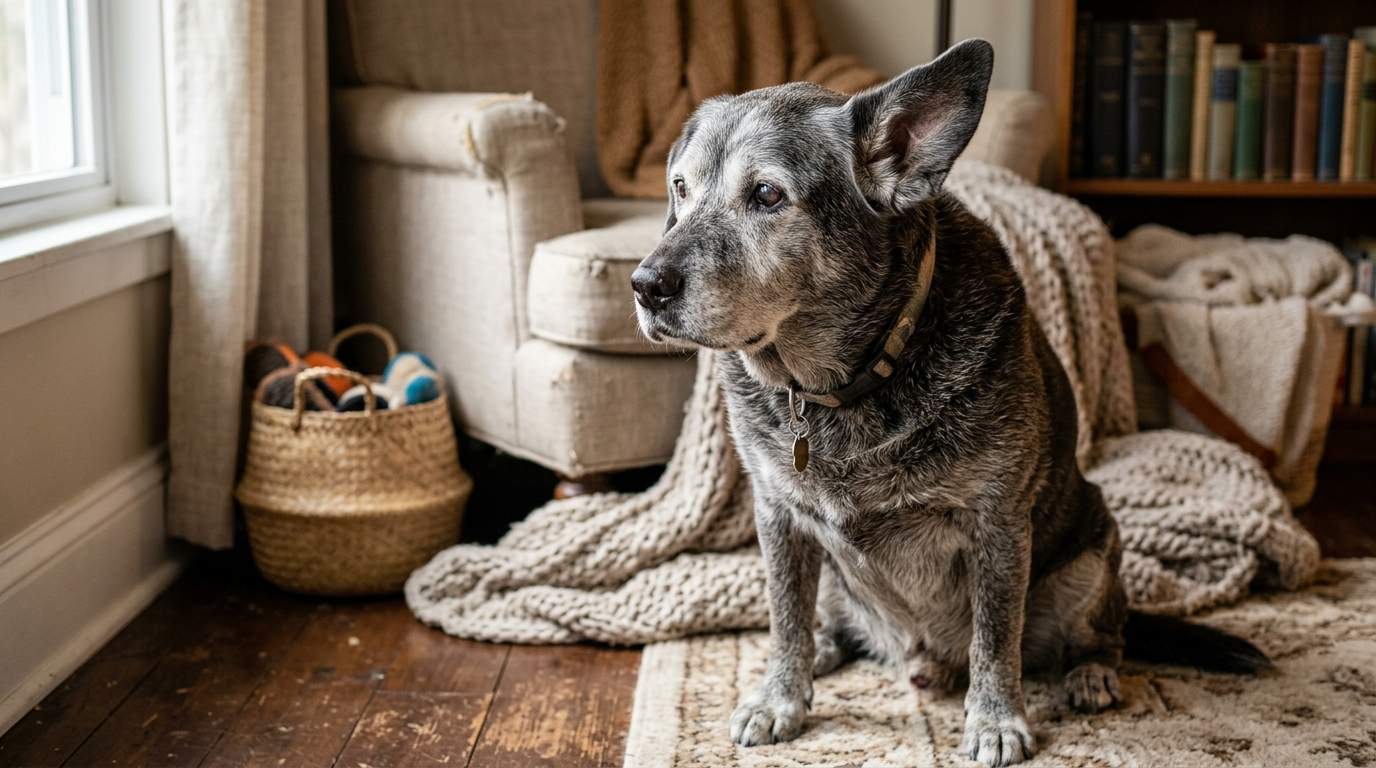
These micro-movements challenge what we assume. Trembling ears or slow tail wags aren't always pain; studies from the American Veterinary Society of Animal Behavior show 40% of senior dogs exhibit anxiety mimicking cognitive dysfunction. Max's owner thought isolation helped, but gentle routines rebuilt his confidence.
It's heartbreaking yet hopeful—pets like Max aren't "going senile"; their world feels overwhelming. By observing these details, we shift from reactive senior pet health fixes to proactive understanding.
In quiet mornings, note how the twitch pairs with averted gaze. This isn't disinterest; it's a freeze response rooted in heightened sensitivity.
Myth one: "Old dogs forget commands because they're dumb." Reality? Anxiety amplifies confusion. Research from the Journal of Veterinary Behavior indicates structured repetition reduces episodes by 60% in aging pet anxiety cases.
Max's story proves it. His owner introduced 5-minute puzzle games daily. No force, just quiet encouragement. Within weeks, that ear twitch softened into eager tilts. We empower them—and ourselves—by questioning "it's just age."
Every consultation echoes Max. A Shih Tzu in Sydney ignored bowls, ears rigid. Not illness, but disrupted routines post-retirement for her owner. Senior pet health thrives on consistency; sudden changes spike cortisol, per canine stress studies.
These stories humanize our furry friends. Imagine Max pondering, "The world spins too fast now—where's my safe spot?" Your voice becomes anchor, not ignored.
Start small. Morning scent walks engage their nose, easing ear-twitch triggers. Use pheromone collars for ambient calm—Max settled faster at night.
Divide days into predictable segments: play, rest, cuddle. Track patterns in a journal; patterns emerge, turning worry into wisdom.
Incorporate low-impact ramps with orthopedic beds. Pair with chews supporting mobility, reducing physical cues mistaken for behavioral woes.
You're not failing Max if he twitches—you're his guide. Embrace these signals as invitations to connect deeper. In my travels, from Paris poodles to rural Huskies, healed bonds remind us: aging pet anxiety fades with patience.
Breathe easy. Your senior dog's world regains color, one gentle call at a time. Consult your vet, observe closely, and watch trust rebuild.