Tail Wags, Yet Bowl Untouched: Why Ignore Hunger in Senior Dogs?
- Quick Tags: senior dog care, elderly dog behavior, geriatric pet health, old dog cognitive decline
- Editor: Editorial Team
- Updated: Jul,17,2026
- Views: 419.9k

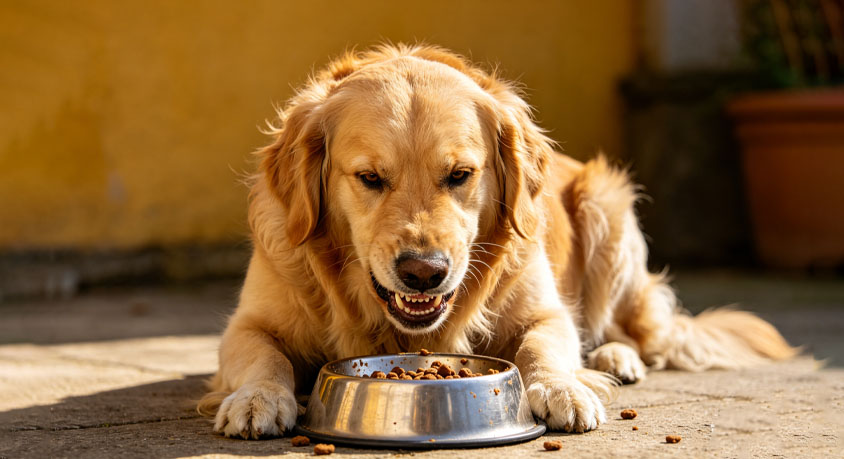
Picture this: your senior dog's tail gives a faint, hopeful wag as you set down his dinner bowl, yet he turns away, sniffing the air instead. That subtle pivot hits like a quiet alarm—what's really going on beneath the surface?
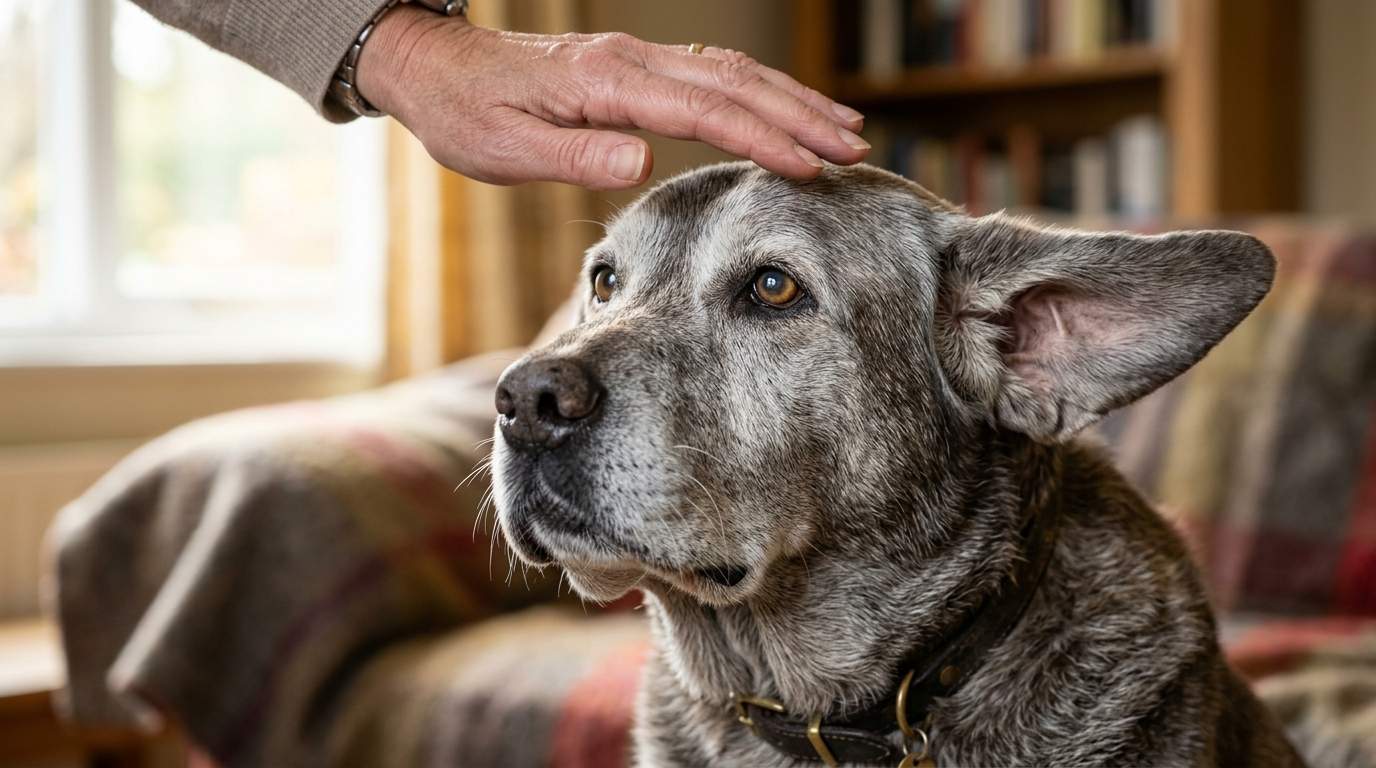
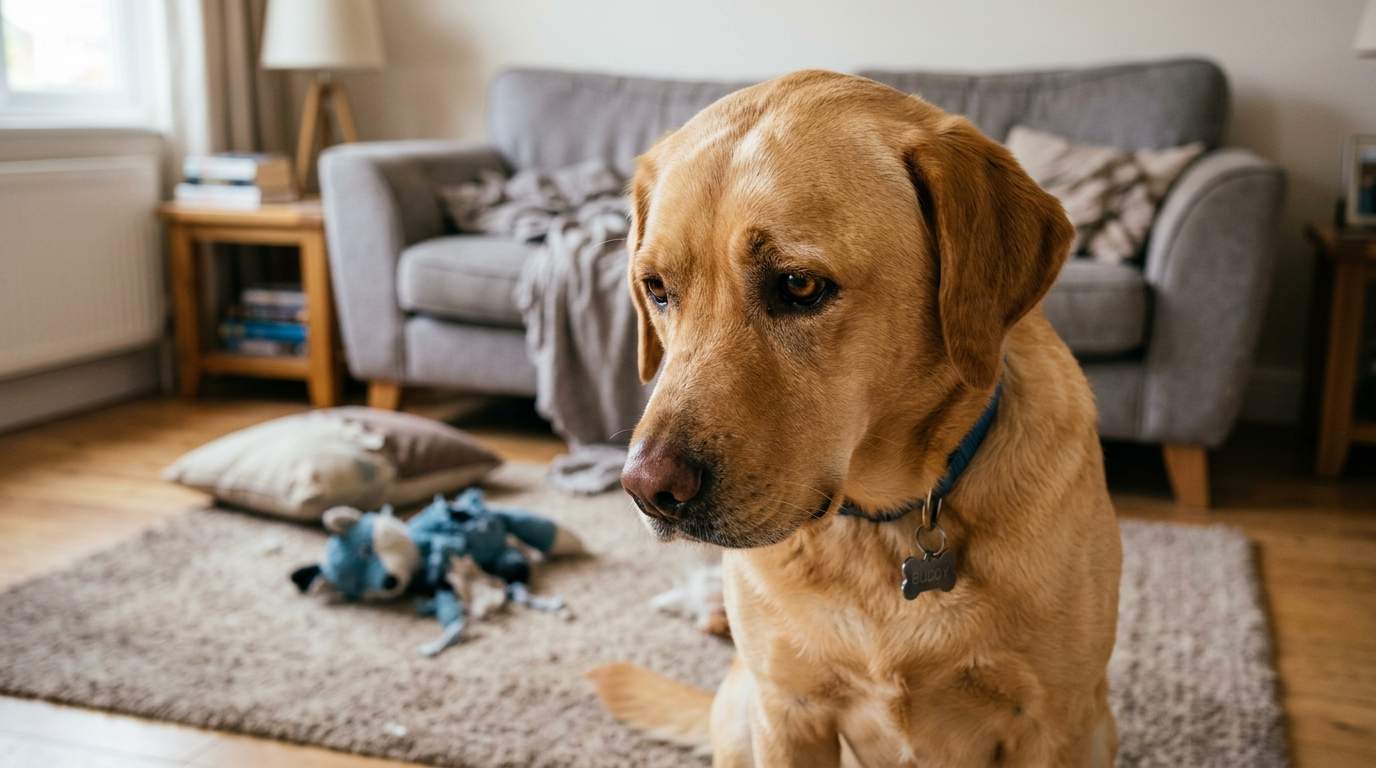
In my years consulting on elderly dog behavior, I've seen this moment countless times. Owners assume it's just "old age pickiness," but that untouched bowl often signals geriatric pet health shifts. Take Max, a 12-year-old Labrador I worked with. His human, Sarah, felt helpless watching him pace past meals. We uncovered it wasn't stubbornness; his waning sense of smell masked the food's appeal.
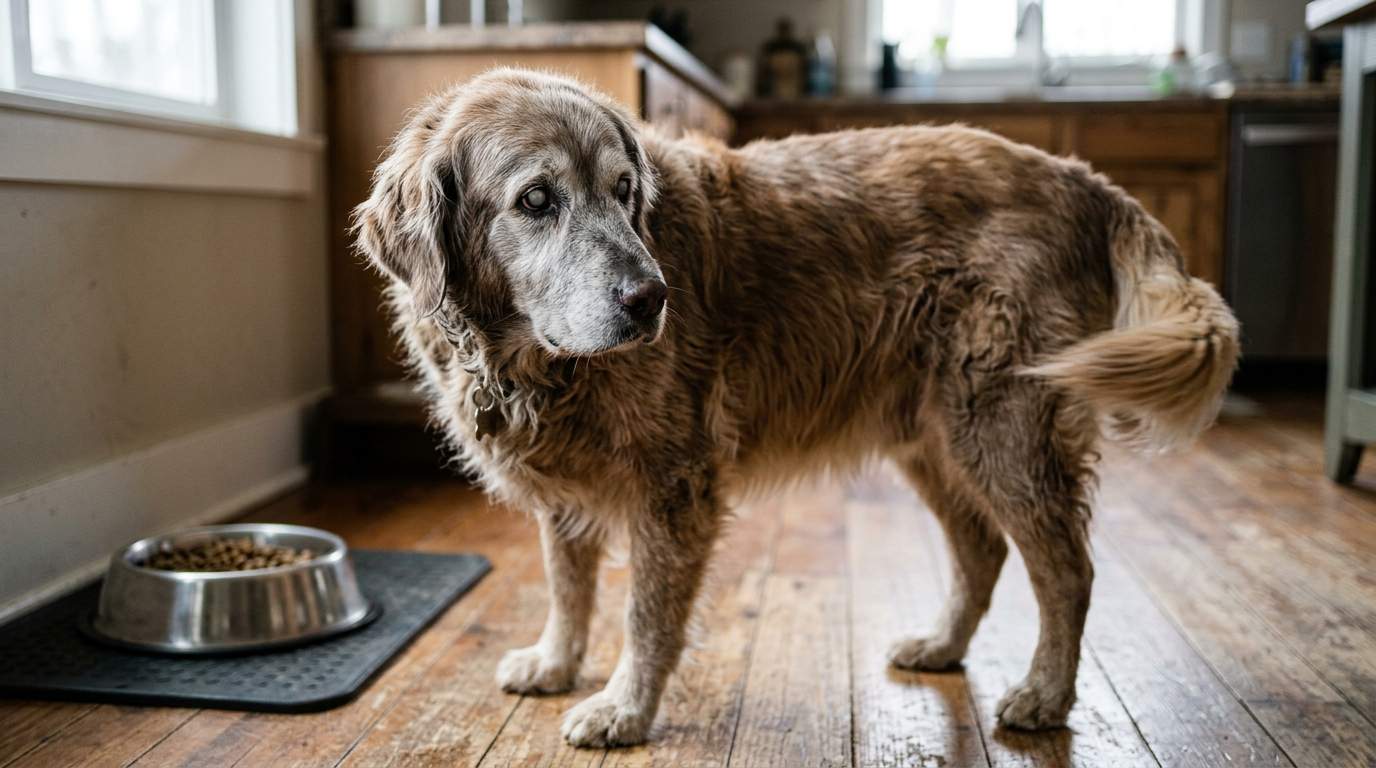
This challenges the common view that senior dogs simply eat less. Research from veterinary behaviorists shows olfactory decline affects up to 60% of dogs over 10, turning familiar kibble into invisible fare.
Max's tail wag was his muscle memory greeting Sarah, not dinner excitement. Elderly dog behavior like this ignores feedback loops we expect—approach food, get rewarded. Instead, cognitive fog creeps in.
Early geriatric pet health red flags include selective ignoring. Studies by the American Veterinary Medical Association note 28% of senior dogs show mild cognitive impairment by age 11, mimicking human dementia with disorientation around routines.
Sarah started scent-enriched meals, reviving Max's interest without force.
Joint pain gets attention in senior dog care, but mental hunger cues slip by. Contrary to instinct, more play isn't overwhelming—it's restorative. Max perked up with short, nose-led treasure hunts using familiar toys hidden in safe spots.
This flips the script: isolation accelerates decline, while gentle engagement rebuilds neural paths, per findings from the Journal of Veterinary Behavior.
Warm food releases aromas, bridging olfactory gaps. Add safe toppers like bone broth to mimic pack scents, boosting intake by 40% in trials.
For breeds like Labs or Shepherds, prone to faster aging, track patterns. Max's family logged "wag but no eat" days, spotting thyroid dips via vet checks—treatable with diet shifts.
You're not failing; you're decoding. Start a journal: note tail flicks, bowl sniffs, post-meal energy.
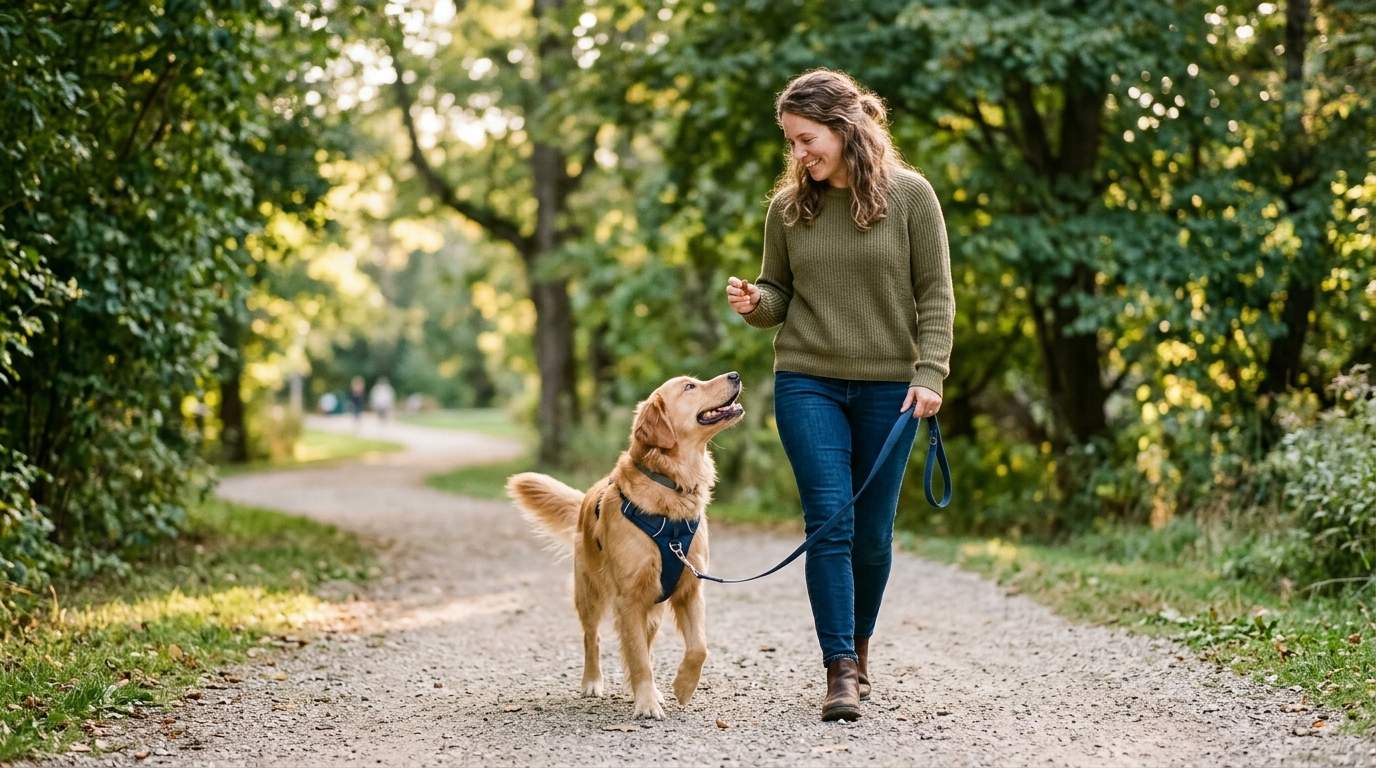
Build confidence with micro-habits. Place bowls in consistent spots; use elevated stands for neck ease. Sarah's routine—morning walks ending at the bowl—rekindled Max's spark.
Elderly dog behavior thrives on predictability. If ignored signals persist, gentle vet consults rule out deeper issues like dental wear.
You've got this. Like Max now eagerly lapping his meals, your senior's quiet wag can signal renewed joy. Lean into these tweaks; healing starts with seeing beyond the surface.