Why Does Your Senior Dog's Tail Droop Mid-Wag on Evening Walks?
- Quick Tags: senior dog care, elderly pet health, aging dog behavior, senior dog mobility
- Editor: Editorial Team
- Updated: Jul,16,2026
- Views: 364.7k









Notice how your senior dog's tail starts its familiar wag, only to falter and droop halfway through on those quiet evening strolls? This subtle shift often catches devoted owners off guard, whispering questions about hidden discomfort.
In my years as a certified pet behavior consultant, I've seen countless tails tell tales. For aging dogs like Max, a 12-year-old Labrador I once advised, that mid-wag droop wasn't laziness or disinterest. It challenged the common belief that slower movements in elderly pets signal inevitable decline. Instead, it pointed to nuanced sensory overload from dim light and fatigue.
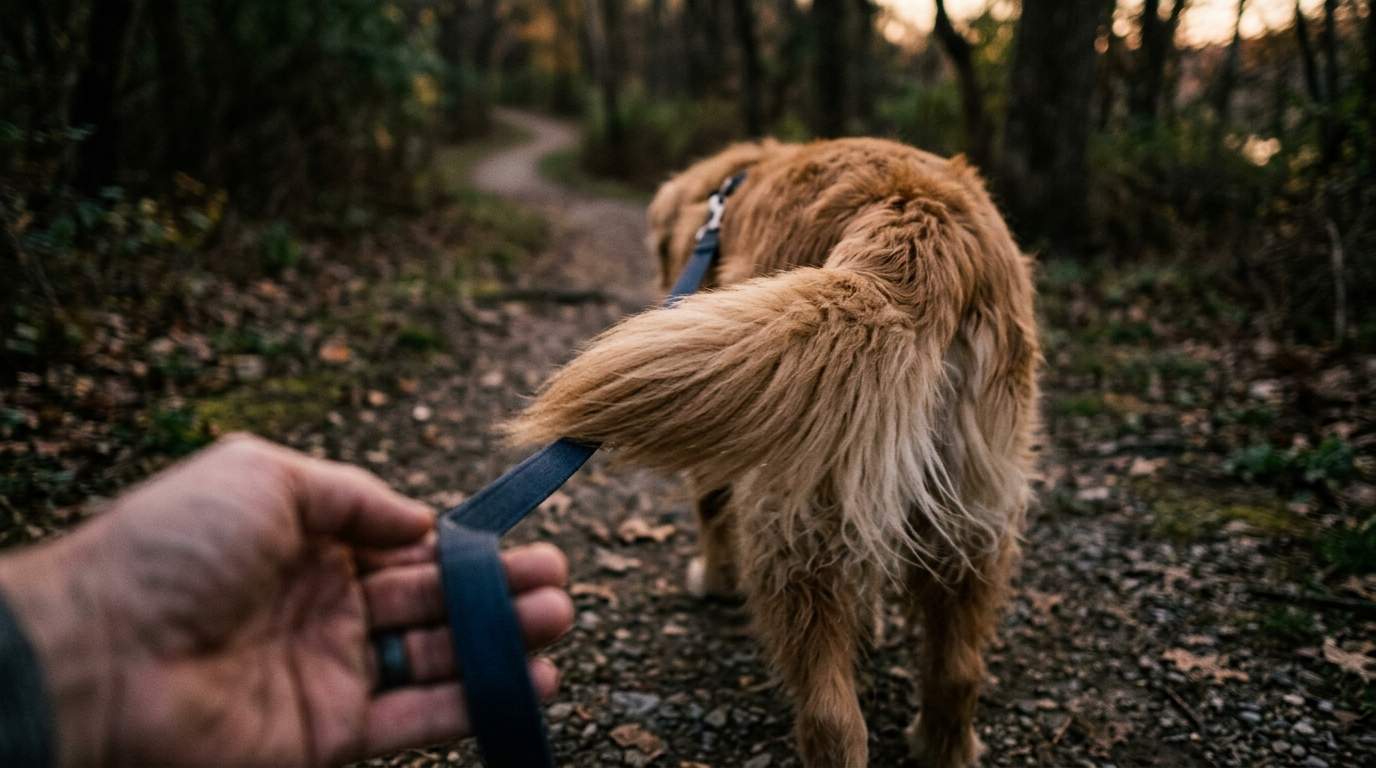
Max's owner thought arthritis was the culprit, but gentle observation revealed more.
Traditional views pin every senior dog mobility wobble on worn joints, yet research from the American Veterinary Medical Association shows 40% of behavioral shifts stem from cognitive or sensory changes, not just physical wear. That drooping tail? It might reflect vestibular unease—inner ear signals misfiring after a long day—prompting the dog to conserve energy wisely.
This reframes senior dog care from reactive fixes to proactive harmony.
Watch for head tilts during turns; they're early whispers, not full alarms.
Picture Max pausing mid-walk, tail dipping as dusk settles. Owners often urge "one more block," assuming stubbornness. But dogs over 10 enter a natural circadian dip, per studies in the Journal of Veterinary Behavior, where cortisol levels subtly rise, muting enthusiasm.
Encouraging rest rebuilds trust, turning potential frustration into bonding.
Smooth floors or fading light amplify hesitations, countering the myth that senior dogs "just slow down." Introduce textured paths or LED collars—simple tweaks that restore confidence without force.
For breeds like Labs or Shepherds, prone to these shifts, short 10-minute dusk walks with high-contrast leashes make all the difference.
Ramps ease transitions, preserving dignity in aging dog behavior patterns.
Blend science with heart: dim lights at home mimic natural evenings, easing tail tension. Warm orthopedic beds soothe post-walk recovery, while puzzle toys engage minds dulled by age.
Max's family adjusted routines, and soon, full wags returned—not defying time, but honoring its rhythm.
Your senior dog's droop invites empathy, not alarm. Track patterns in a journal, consult vets for baselines, and celebrate small revivals. In this dance of years, understanding whispers like tail falters deepens the unbreakable bond, proving age refines, rather than robs, joy.